Make something useful

Bag Making

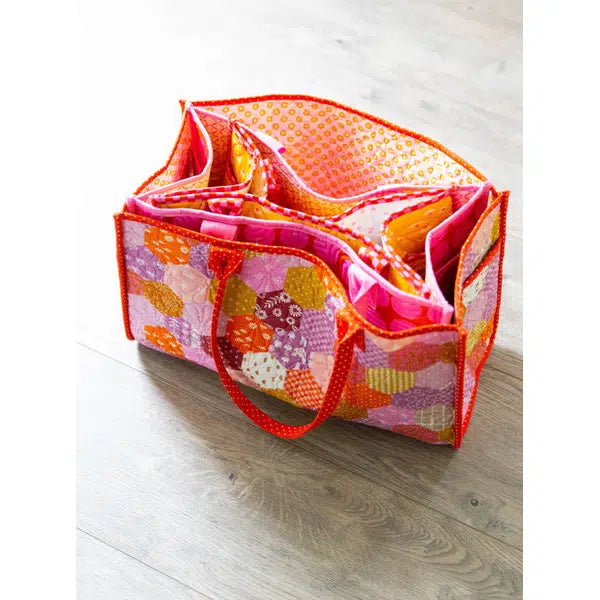
Make a bag that’s completely your own. Explore sewing patterns, sturdy cotton canvas, patchwork fabrics and bag-making hardware to help you create everything from everyday totes to more structured bags. Whether you’re making your first bag or looking for your next project, start with a pattern and build your fabric and supplies around it.

Everything you need to make a bag

Choose the pattern. We’ll help you find everything around it.

Start with the project you want to make, then build your fabric and supplies around the pattern. These five routes cover the main building blocks of a bag-making project, from the first pattern to the finishing hardware.

01

Bag sewing patterns

Noodlehead Sewing Patterns

Discover Noodlehead sewing patterns for practical bags and useful accessories. Choose your pattern first, then work through its fabric and haberdashery requirements so the finished project is made for everyday use.

Shop Noodlehead Sewing Patterns
Noodlehead Bag Sewing Patterns
02

Bag sewing patterns

Knot & Thread Sewing Patterns

Explore Knot & Thread patterns for bags and useful sewing projects, with designs made for sewing and using. Start with the pattern, then choose fabrics, interfacing and hardware to match.

Shop Knot & Thread Sewing Patterns
Knot and Thread Bag Sewing Patterns
03

Structure and body

Cotton Canvas

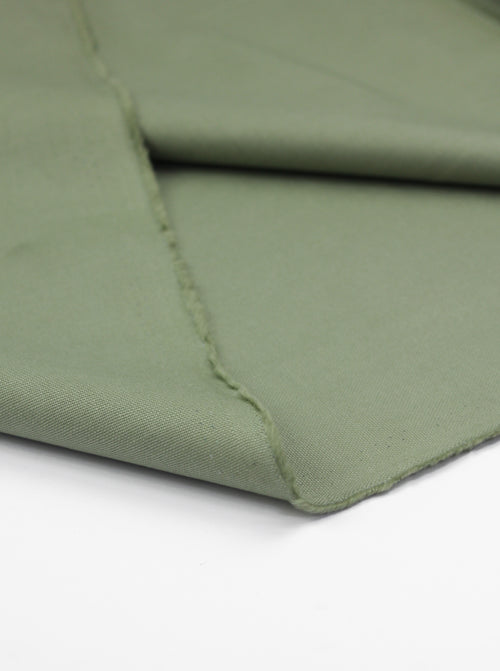
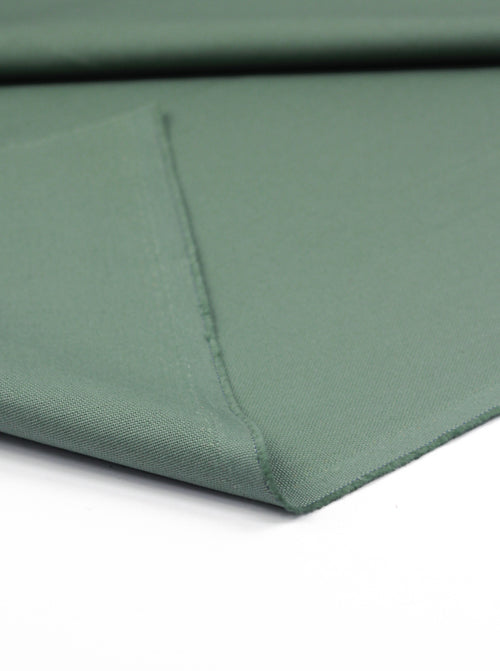
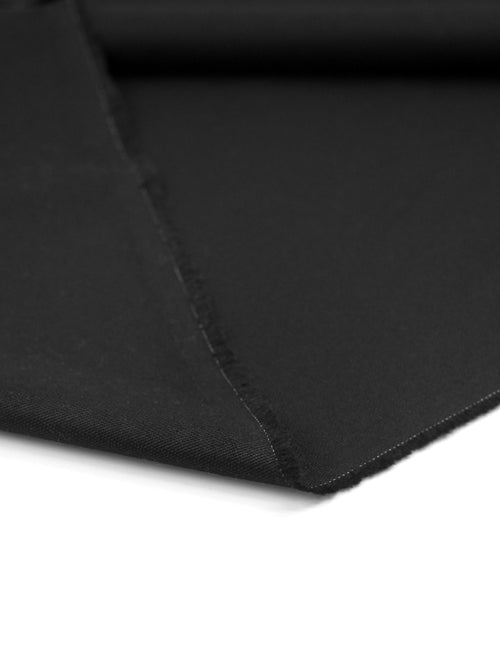
Cotton canvas is a useful starting point for many bag-making projects when you need more body and structure. Check the pattern’s recommendations because different weights suit different bags.

Shop Cotton Canvas
Canvas Fabric by the Metre
04

Colour and personality

Patchwork Cotton Fabrics

Patchwork cottons bring colour and print to bags, pockets, linings and smaller projects. Use them where the pattern allows, or combine them with a more substantial outer fabric for contrast and structure.

Shop Patchwork Cotton Fabrics
Patchwork Cotton Fabric
05

The finishing touches

Bag Hardware

The right hardware helps a handmade bag look and work properly. Depending on the pattern, you may need clasps, rings, sliders, buckles or magnetic fasteners—always check the required size and quantity.

Shop Bag Hardware
Hardware

Plan your bag-making project

Build your bag from pattern to finish.

Start with the pattern, then choose the fabric, structure and finishing details that suit your project.

01

Start with the pattern

Choose the pattern first

If you are new to bag making, the pattern is usually the easiest place to begin. It should tell you which fabrics are suitable, how much you need, whether interfacing or stabiliser is required, what lining to use and which hardware is needed. Once you know the materials list, shopping becomes much more straightforward.
  • The pattern sets the construction requirements.
  • Check fabric, lining, interfacing and hardware quantities.
  • Use the designer’s guidance as the authority for your project.
Shop Bag Sewing Patterns
02

Choosing fabric

Choose fabric for the shape and use

Canvas can be practical when a bag needs body and structure. Patchwork cottons bring colour and detail to lighter projects, linings, pockets and panels. A favourite approach is to combine a printed cotton with a plain canvas outer, or use a contrasting lining where the pattern allows it.
  • For structure, begin with a suitable canvas.
  • For colour and detail, explore patchwork cottons.
  • Always check the pattern’s fabric recommendations.
Browse Cotton Fabrics
03

Fabric for different bags

There is no single best bag fabric

The right choice depends on the pattern, the shape of the bag and how much structure it needs. Structured bags may call for canvas or another heavier woven fabric. Everyday totes often suit a sturdy canvas, while colourful or patchwork bags can make great use of cotton prints for panels, pockets and linings.
  • Structured bags: look for the required body and support.
  • Totes: check the recommended weight and durability.
  • Pouches and smaller bags: lighter fabrics may be suitable.
Shop Bag Patterns
04

Add structure

Do not forget the interfacing

Interfacing can add body, stability or support, but the type you need depends on the fabric and pattern. Some projects use stabiliser or another reinforcement. Follow the pattern designer’s recommendation rather than choosing purely by fabric weight.
  • Check whether the pattern specifies interfacing or stabiliser.
  • Match the type to the construction and fabric.
  • Buy enough for the pieces that need support.
Shop Interfacing
05

Hardware

Bag hardware is functional as well as decorative

Handles, straps, rings, sliders, buckles, closures and magnetic fasteners all need to work with the construction. A strap width, ring size or clasp is not automatically interchangeable, so use the pattern’s materials list and check the required size and quantity.
  • Handles and straps
  • Adjusters and strap attachments
  • Closures and pocket fasteners
Shop Bag Hardware
06

Project ideas

Choose a project that suits your next make

An everyday tote can be a practical first project. Crossbody bags introduce straps and hardware, while backpacks can bring more involved construction and pockets. Pouches and small bags are useful for learning techniques or using favourite prints. Patchwork bags give you room to combine cottons in your own way.
  • Everyday tote bags
  • Crossbody bags
  • Backpacks
  • Pouches and small bags
  • Patchwork bags
Shop Beginner-Friendly Patterns
07

Your first bag

A calm way to get started

Choose a pattern that suits your experience, read the materials list, select fabric with the recommended weight and structure, then check hardware sizes carefully. Accurate cutting matters, particularly when working with interfacing, multiple layers, matching panels or hardware placement. Follow the instructions and take your time.
  • Choose your pattern.
  • Read the materials list.
  • Choose fabric and structure.
  • Get the hardware.
  • Cut carefully.
  • Take your time.
Shop Bag Making Patterns
08

Make it yours

The pattern is the starting point; the fabric makes it yours

Bag making gives you plenty of room to choose a direction. Go bold with a printed patchwork cotton, keep it classic with canvas, add a contrasting lining or bring a favourite print into pockets and smaller details. Start with the pattern, then make the choices that feel like you.
  • Mix canvas with printed cotton where the pattern allows.
  • Use colour and lining to change the feel of the finished bag.
  • Order a swatch where available before committing.
09

Project checklist

Everything for your bag-making project

Choose a pattern from Noodlehead, Knot & Thread or the wider bag-pattern range. Choose cotton canvas or patchwork cotton, add interfacing if the pattern requires it, then finish with the right hardware. Threads and zips are available for projects that call for them.
  • Patterns: Noodlehead, Knot & Thread or bag patterns
  • Fabric: canvas and patchwork cotton
  • Structure: interfacing and stabiliser
  • Finishing: hardware, thread and zips
Shop Bag Making

Helpful answers

Bag Making FAQs

The pattern remains the authority for the materials, quantities and techniques needed for your project.

What fabric is best for making bags?
It depends on the pattern and the type of bag. Canvas can suit projects that need more structure and durability, while patchwork cottons can work well for lighter projects, linings, panels and smaller bags. Always follow the individual pattern’s recommendations.
Is cotton canvas good for bags?
Cotton canvas can be an excellent choice for many bags because it is a sturdy woven fabric with more body than lightweight cottons. Suitability still depends on the canvas weight and the specific pattern.
Can I use quilting cotton for bags?
Yes, depending on the pattern. Patchwork cotton can work for smaller or less structured bags and is useful for linings, pockets and contrasting panels. Interfacing or stabilisation may be required.
What fabric should I use for a tote bag?
A suitable canvas can work well for many tote bags, but check the pattern’s recommended weight and construction. Some tote patterns are designed for lighter fabrics and others need more structure.
Do I need interfacing to make a bag?
Many bag patterns use interfacing or another form of stabilisation, but projects do not all require the same type. Follow the pattern designer’s recommendation.
What bag hardware do I need?
It depends on the pattern. You might need rings, sliders, buckles, clasps or magnetic fasteners. Check the materials list for the exact type, size and quantity.
Can I mix different fabrics in a bag?
Yes, where the pattern allows it. Combining canvas with printed cottons can add colour and contrast, while patchwork cottons can work for panels, pockets or linings.
What are good sewing patterns for making bags?
We stock bag-making patterns from designers including Noodlehead and Knot & Thread. The best pattern depends on the type of bag you want to make and your sewing experience.
Is bag making harder than garment sewing?
Not necessarily, but it uses some different techniques. Lining, interfacing, accurate cutting, topstitching and hardware can all feature in bag construction. Choose a pattern with a skill level suited to your experience.